Before you pay a deposit to an interior designer in Riyadh, ask one question first: is the villa or apartment ready enough for that designer to price, draw, coordinate, and supervise without guessing?
Why should a Riyadh client test site readiness before hiring an interior designer?
A Riyadh client should test site readiness because mood boards do not solve unfinished MEP work, inaccurate measurements, missing contractor coordination, or delayed material decisions. The safer interior designer Riyadh choice is the team that exposes constraints before promising luxury finishes.
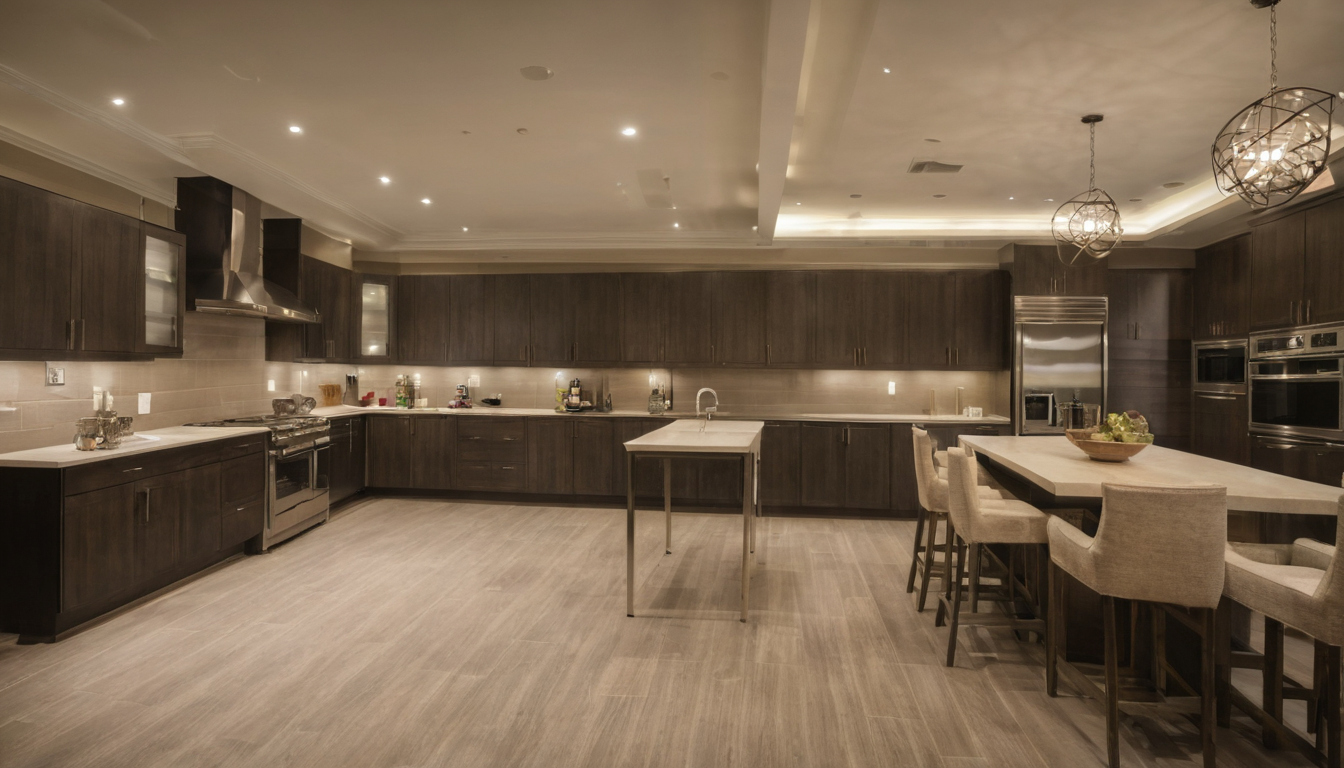
Why should a Riyadh client test site readiness before hiring an interior designer shown as a planning reference for layout, scale, and material decisions.
Site readiness is the difference between design taste and buildable design
Buildable design starts with the shell, not the render. A majlis ceiling with concealed lighting can fail if duct routes, diffuser positions, access panels, or slab levels are ignored. A kitchen layout can change once drainage, appliance power, and door swings are checked.
- HVAC risk: false ceilings, glazing changes, and partitions can affect cooling assumptions. ACCA identifies Manual J for residential load calculation, Manual S for equipment selection, and Manual D for duct systems. ACCA technical manuals
- Finish risk: marble, limestone, and other stone surfaces need realistic care expectations. The Natural Stone Institute advises against scouring powders or creams on stone because they may scratch the surface. Natural Stone Institute care guidance
- Coordination risk: electrical load, smart-home wiring, AC access panels, ceiling heights, and joinery depths must match site conditions.
The client also controls readiness through approvals, budget sign-off, material selections, supplier access, and family decisions on majlis use or privacy.
What documents should an interior designer in Riyadh request before pricing a villa or apartment?
A serious interior designer in Riyadh should request drawings, measurements, MEP information, site photos, and a written client brief before giving a reliable proposal, especially for villas with majlis spaces, kitchens, dressing rooms, concealed lighting, custom joinery, or luxury finishes.
The minimum pre-pricing document checklist for a Riyadh interior design proposal
- Architectural plans: floor plans, elevations, reflected ceiling plans if available, door and window schedules, stair details, and approved developer drawings.
- MEP layouts: HVAC supply and return locations, electrical points, DB panel information, plumbing and drainage points, extraction routes, and lighting circuits if planned.
- Site evidence: current photos, walk-through videos, measured room dimensions, ceiling heights, beam drops, column positions, existing finishes, and access conditions.
- Decision inputs: appliance sizes, sanitaryware positions, bed sizes, dining capacity, TV wall requirements, and kitchen layout and storage constraints.
Concept design can begin with base plans, mood direction, and a room brief. Detailed design needs verified dimensions, MEP coordination, ceiling strategy, lighting positions, elevations, joinery drawings, and material schedules. Fit-out supervision needs an agreed drawing issue, contractor access, inspection points, shop drawing review terms, and approval routes.
As-built measurement is not automatic in every Riyadh proposal. The proposal should state who measures, when measurement happens, and who carries risk if old drawings do not match the villa shell.
A client brief should define rooms, privacy, hospitality, storage, and budget boundaries
The brief should name each room and its real use: family living, men’s majlis, women’s majlis, dining, bedrooms, kitchens, dressing rooms, maid’s room, laundry, and outdoor thresholds. Budget readiness should separate design fee, fit-out works, loose furniture, lighting, curtains, appliances, accessories, and contingency.
Which interview questions separate concept-only designers from full-service Riyadh interior design teams?
The strongest hiring questions ask how the designer measures the site, coordinates MEP changes, produces technical drawings, handles procurement, and supervises execution. For a Riyadh villa client, these questions reveal whether the provider is mainly a stylist, a concept designer, or a residential interior design team prepared for site delivery.
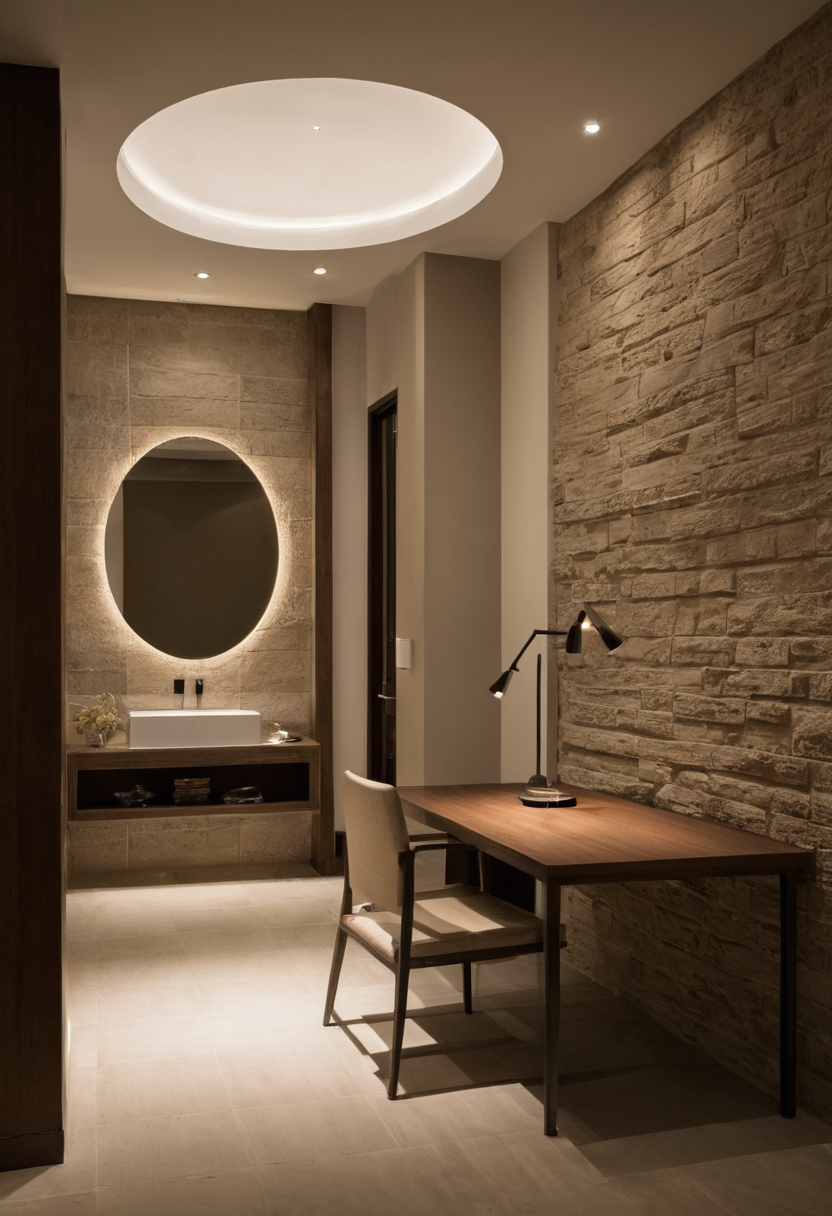
Which interview questions separate concept-only designers from full-service Riyadh interior design teams shown with floor, wall, and fixture relationships visible.
Ask who verifies dimensions before layouts, joinery, and lighting are finalized
Ask: “Who will measure the actual site before you finalize layouts, joinery, kitchen details, and ceiling plans?” A serious answer names the responsible person and explains when measurement happens. A weak answer relies only on old drawings without confirming wall thicknesses, column offsets, window heights, door swings, AC bulkheads, or floor level changes.
Ask how the designer coordinates HVAC, electrical, plumbing, and smart-home decisions
Ask: “How do you coordinate decorative ceilings, lighting, AC diffusers, drainage, power sockets, and smart-home wiring before the contractor starts?” A full-service team will discuss MEP markups, ceiling sections, switch locations, low ceiling zones, and site meetings with the contractor. The EPA lists paints, furnishings, cleansers, building materials, office equipment, and other products as sources of volatile organic compounds.
Ask whether procurement and site supervision are included or priced separately
Ask: “Does your fee include procurement support and site supervision, or only drawings?” Procurement support can mean specification only, supplier recommendations, quotation coordination, client-managed purchasing, or turnkey supply. Site supervision can mean scheduled visits, milestone inspections, remote review, or full-time supervision.
How should a client review portfolios from Saudi interior designers for villa-scale readiness?
A client should review Saudi interior designers by looking beyond rendered images and asking for completed-site evidence, villa-scale rooms, majlis experience, joinery details, lighting integration, and before-and-after constraints. The best proof is evidence that design survived construction, procurement, and daily family use.
Rendered images should not be treated as completed Riyadh interior design proof
Concept renders show design intent. Shop drawings show how the idea should be built. Completed installation photos show whether the ceiling, lighting, joinery, stone, paint, and furniture actually came together on site. Ask for privacy-safe proof such as cropped site photos, installed joinery close-ups, final lighting scenes, completed majlis views, or handover photos.
Majlis, joinery, lighting, and privacy planning deserve separate portfolio checks
- Majlis evidence: completed seating layouts, guest flow, privacy screens, service access, washroom proximity, and durable fabrics.
- Joinery evidence: wardrobe interiors, dressing rooms, TV walls, concealed storage, kitchens, and finish edges. Wardrobe interiors and custom storage planning reveal more than a bedroom render.
- Lighting evidence: reflected ceiling plans, installed cove lighting, glare control, task lighting, and evening scenes. Where qualified LED lighting applies, ENERGY STAR states that it uses at least 75 percent less energy and lasts up to 25 times longer than incandescent lighting.
What proposal clauses expose supervision, MEP coordination, procurement, and revision risks?
The proposal should state exactly what the interior designer in Riyadh will deliver, how many revisions are included, who coordinates with contractors, how site visits work, and what procurement support means. Vague phrases such as “complete design service” create risk unless drawings, responsibilities, exclusions, approvals, and fees are itemized.
The deliverables table should define every drawing and specification
Ask for a deliverables list that names the room, drawing type, file format, revision count, responsible party, and approval stage. It should cover concept direction, furniture layouts, reflected ceiling plans, lighting plans, flooring plans, elevations, switch notes, joinery drawings, material schedules, specifications, BOQ support, and procurement lists.
Revision limits and approval deadlines should be written before design starts
Revision clauses protect both sides. A practical proposal may include one or two revision rounds at concept, layout, material, and technical drawing stages, with extra changes priced separately. The contract should also define client approval deadlines, because late decisions on stone, veneer, appliances, or chandeliers can stop drawings and quotations.
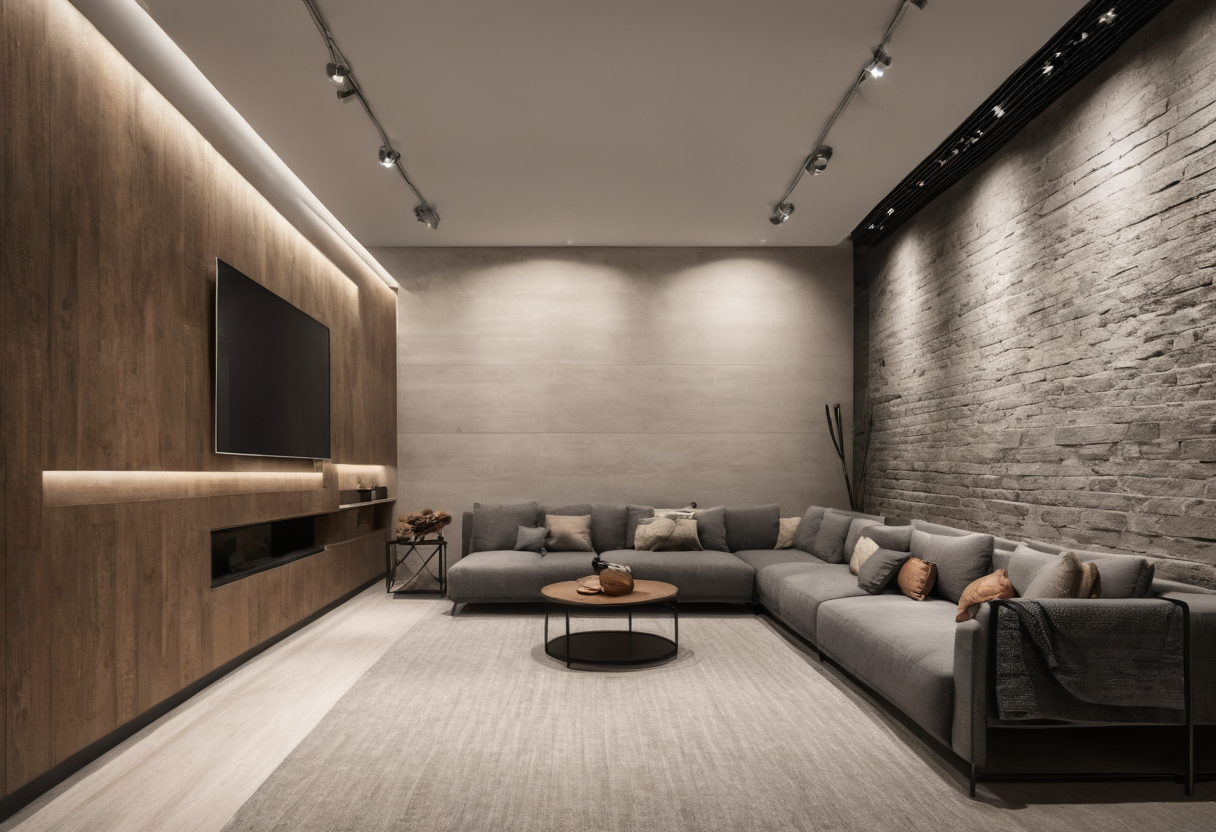
What proposal clauses expose supervision, MEP coordination, procurement, and revision risks shown as a planning reference for layout, scale, and material decisions.
Supervision terms should separate design review from contractor management
Design supervision means the designer checks whether the contractor follows the approved design, then issues notes, photos, punch lists, or non-compliance comments. Project management means scheduling trades, chasing suppliers, controlling cost, and managing contractor performance. Common exclusions should be clear: authority approvals, structural changes, MEP redesign, supplier warranties, contractor delays, hidden site defects, and client changes after approval.
Which client responsibilities can delay a Riyadh interior design project after signing?
A Riyadh interior design project can stall even with a capable designer if the client delays approvals, changes the brief, withholds budget decisions, limits site access, or postpones supplier selections. Client readiness belongs in the project schedule.
Approval delays affect drawings, procurement, and contractor sequencing
Layout approval comes first because it controls MEP points, ceiling levels, flooring transitions, joinery sizes, appliance positions, and furniture clearances. A late change to a majlis layout can move sockets, AC diffusers, wall cladding joints, curtain tracks, and lighting scenes.
- Room brief: confirm family majlis, guest majlis, dining, bedrooms, dressing rooms, kitchens, service areas, and storage needs.
- Budget sign-off: approve realistic allowances before the designer specifies stone, sanitaryware, lighting, fabrics, and appliances.
- Site access: give the designer, contractor, and suppliers access for measurement, inspection, and delivery checks.
Procurement readiness matters when finishes, furniture, and lighting have lead times
Procurement decisions should start before execution drawings reach site. Local stock may move quickly, but made-to-order sofas, imported furniture, custom doors, special-order lighting, curtains, and joinery hardware can control the sequence. Durable furniture decisions that outlive short-term trends need early approval.
What simple scorecard helps choose between interior design companies in Riyadh?
A useful scorecard compares interior design companies in Riyadh on site verification, MEP coordination, villa experience, majlis planning, drawing depth, procurement clarity, supervision scope, and proposal transparency. The winning designer is the team whose scope matches the project’s risk and readiness.
Use a scorecard to compare scope, evidence, and risk before paying a deposit
Score each designer with four labels: strong evidence, partial evidence, unclear, or not included. Apply them to these rows:
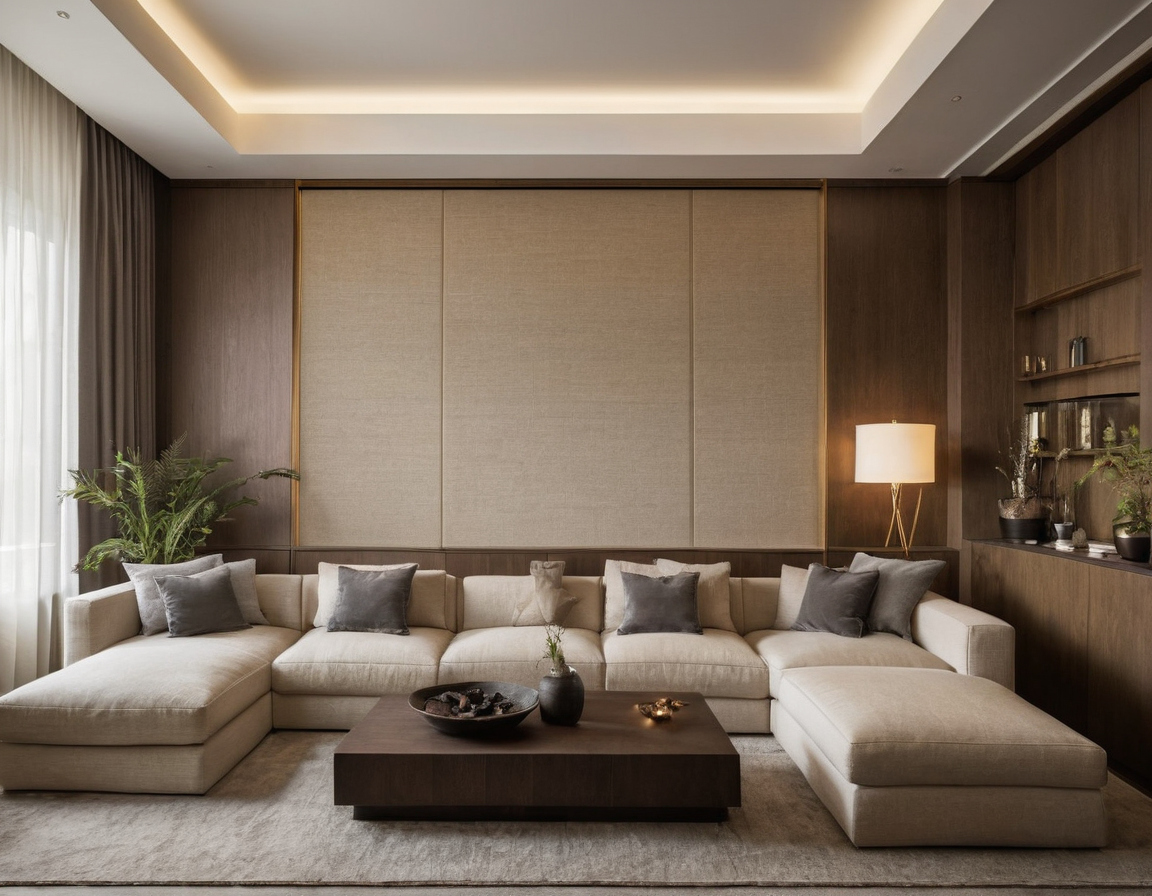
What simple scorecard helps choose between interior design companies in Riyadh shown with floor, wall, and fixture relationships visible.
- Site visit before quotation and measured survey before detailed drawings.
- MEP coordination for AC diffusers, ceiling levels, lighting, sockets, plumbing, and smart-home points.
- Technical drawings for plans, elevations, reflected ceilings, joinery, materials, and specifications.
- Procurement support for finishes, furniture, lighting, appliances, and custom items.
- Site supervision terms, revision limits, approval deadlines, and exclusions.
- Completed-site evidence for villas, majlis spaces, wardrobes, kitchens, and handover quality.
A concept-only designer can suit a small refresh, furniture-only scope, or low-construction apartment update. For a Riyadh villa with ceiling work, joinery, majlis privacy, or MEP changes, choose the team with the clearest readiness evidence before paying the deposit.
FAQ
What are the five most important questions to ask before hiring an interior designer in Riyadh?
Ask who measures the site, how MEP coordination works, what drawings are included, whether procurement support is included, and how site supervision, revisions, approvals, and exclusions are written in the proposal.
Should an interior designer visit the Riyadh villa site before giving a quotation?
A site visit is strongly preferred for villas, renovations, ceiling changes, joinery, kitchens, and MEP-sensitive work. If the first quotation is based on drawings only, the proposal should state that final scope and price depend on verified measurements.
What is the difference between an interior designer, a fit-out contractor, and a turnkey interior company in Riyadh?
An interior designer prepares design direction, drawings, specifications, and design review. A fit-out contractor executes site works. A turnkey interior company may combine design, procurement, contracting, and delivery, but the contract must define the responsibility.
Do interior design rules like the 3-5-7 rule or 70-30 rule matter before site readiness is confirmed?
Style rules can help composition, color, and balance, but they do not solve unverified dimensions, AC conflicts, drainage limits, electrical positions, or contractor access. Confirm site readiness first.
What documents should I prepare before interviewing Saudi interior designers?
Prepare architectural plans, MEP layouts if available, current site photos, walk-through videos, measured dimensions, a room-by-room brief, budget boundaries, appliance preferences, furniture needs, privacy requirements, and contractor or developer information.